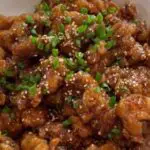
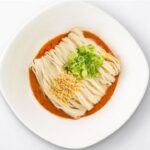
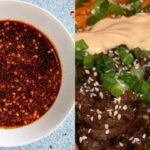
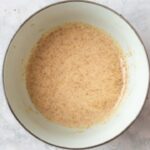
If you love spicy noodles with a rich, savory flavor, this Easy Gochujang Noodles Recipe is a must-try. It combines chewy noodles with a bold Korean-inspired sauce made from gochujang, garlic, soy sauce, sesame oil, and a touch of sweetness. The result is a delicious meal that tastes like something from your favorite Korean restaurant but takes only about 15 minutes to prepare at home.
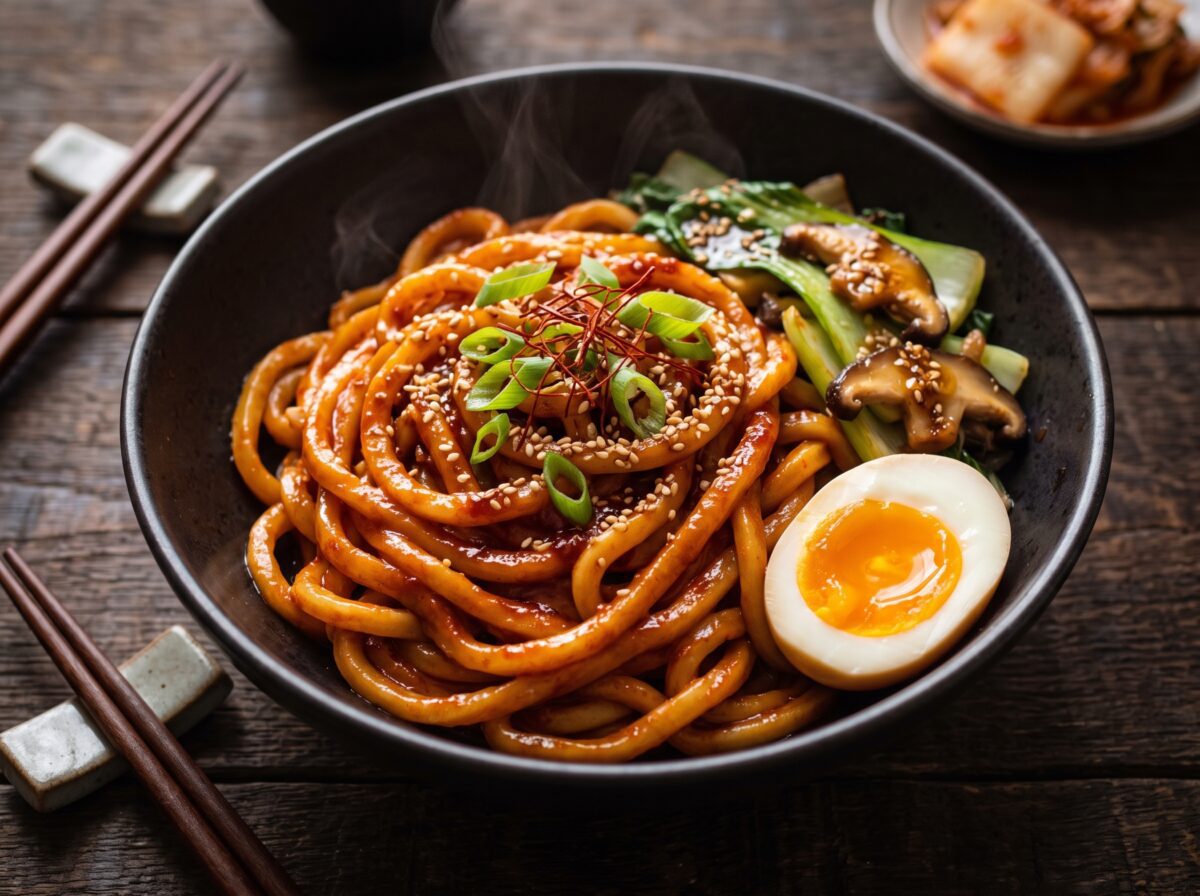
This easy gochujang noodles recipe is perfect for busy weeknights, quick lunches, or whenever you crave something spicy and satisfying. You do not need special cooking skills or expensive equipment. With a few simple ingredients and one pan, you can create a flavorful noodle dish that is easy to customize.
The secret to these Korean spicy noodles is the sauce. Gochujang, a fermented Korean red chili paste, provides a combination of heat, sweetness, saltiness, and deep savory flavor. Soy sauce adds extra seasoning, sesame oil brings a nutty aroma, and garlic makes every bite more delicious.
You can prepare this recipe with ramen, wheat noodles, or udon noodles. Add your favorite vegetables, tofu, chicken, or a fried egg to make it a more filling meal. Whether you are new to Korean cooking or already enjoy Korean food, these quick gochujang noodles are an excellent addition to your recipe collection.
what is Gochujang Noodles Recipe?
Gochujang noodles are a Korean-inspired noodle dish made with gochujang, a thick, red chili paste traditionally used in Korean cooking. The paste is made from fermented ingredients and is known for its spicy, slightly sweet, and savory taste.
In this recipe, gochujang is combined with soy sauce, garlic, sesame oil, a little sugar or honey, and water to create a smooth, flavorful sauce. The cooked noodles are tossed in the sauce until every strand is evenly coated.
Unlike traditional Korean dishes that may require longer preparation, this easy gochujang noodles recipe uses simple ingredients and a quick cooking method. It is a flexible, home-cooking version rather than a claim to one specific traditional Korean noodle dish.
The best part is that you can adjust the sauce to suit your taste. Use less gochujang for a milder flavor, add extra chili for more heat, or include vegetables and protein for a complete meal.
why you will love this recipe
- Ready in about 15 minutes: This recipe is ideal when you want a tasty meal without spending a long time in the kitchen.
- Bold Korean-inspired flavor: Gochujang, garlic, soy sauce, and sesame oil create a spicy, savory sauce with a hint of sweetness.
- Simple ingredients: Most ingredients are easy to find at grocery stores or Asian supermarkets.
- Easy to customize: Add vegetables, tofu, chicken, shrimp, or eggs according to your preferences.
- Budget-friendly meal: Basic noodles and a small amount of sauce ingredients can make a satisfying lunch or dinner.
- Beginner-friendly: You only need to boil the noodles, mix the sauce, and toss everything together in a pan.
- Perfect for meal planning: The sauce can be mixed ahead of time, making preparation even faster on busy days.
equipment’s
You do not need professional kitchen equipment to prepare this easy spicy noodle recipe. A few everyday tools are enough.
- Medium saucepan: For boiling the noodles.
- Colander: For draining the cooked noodles.
- Small mixing bowl: For combining the gochujang sauce ingredients.
- Measuring spoons: For measuring the sauces, oil, and seasonings.
- Nonstick frying pan or wok: For heating the sauce and tossing the noodles.
- Wooden spoon or cooking chopsticks: For stirring and coating the noodles evenly.
- Knife and cutting board: For preparing garlic and spring onions.
A wok works well because it gives you plenty of space to toss the noodles, but an ordinary frying pan works just as well.
ingredients
This recipe makes two servings of delicious Korean-inspired gochujang noodles. Use the measurements below for a balanced combination of spicy, savory, and slightly sweet flavors.
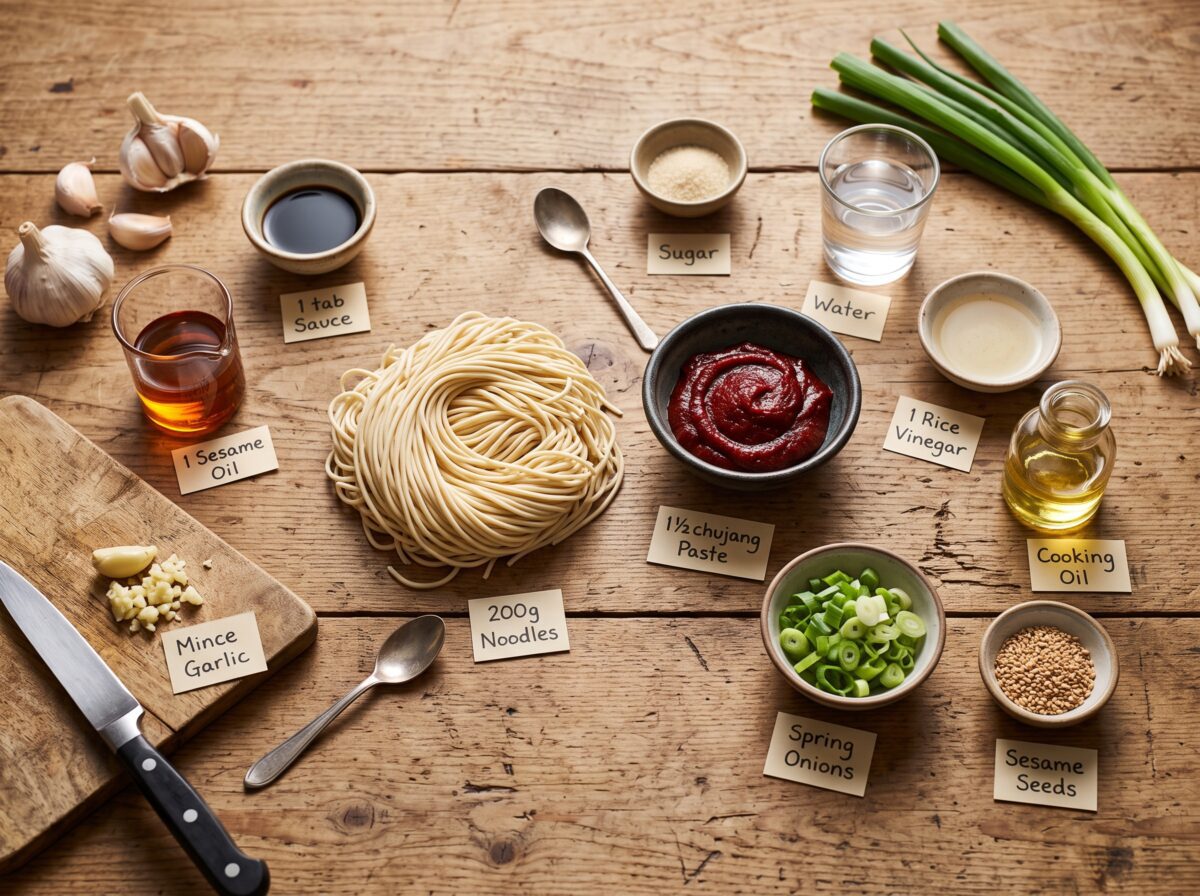
- 200 g noodles: Ramen, wheat noodles, or udon noodles work well.
- 1½ tablespoons gochujang paste: The main ingredient for the spicy Korean-style sauce.
- 1 tablespoon soy sauce: Adds a salty, savory flavor.
- 1 tablespoon sesame oil: Provides a rich, nutty aroma.
- 2 garlic cloves, minced: Adds a fresh, savory taste.
- 1 teaspoon sugar or honey: Balances the heat of the chili paste.
- 3 tablespoons water: Helps loosen the sauce.
- 1 teaspoon rice vinegar (optional): Adds a light tangy flavor.
- 1 teaspoon neutral cooking oil: Helps cook the sauce without burning the garlic.
- 2 tablespoons sliced spring onions: For a fresh garnish.
- 1 teaspoon sesame seeds: For extra texture and flavor.
Ingredient notes: Gochujang varies in sweetness, saltiness, and spice level by brand. Start with a little less if you are sensitive to spicy food. If using instant ramen, discard the seasoning packet unless you specifically want to include it. For a gluten-free version, choose certified gluten-free noodles, tamari, and a gluten-free gochujang.
instructions
Follow these simple steps to make perfectly coated, flavorful gochujang noodles at home.
Step 1: Cook the noodles.
Bring a saucepan of water to a boil. Add the noodles and cook according to the package instructions until tender but still slightly chewy. Drain the noodles and reserve about ¼ cup of the cooking water. This starchy water can help loosen the sauce later.
Step 2: Prepare the gochujang sauce.
In a small bowl, combine the gochujang paste, soy sauce, sesame oil, minced garlic, sugar or honey, three tablespoons of water, and optional rice vinegar. Stir until the mixture is smooth and evenly combined.
Step 3: Heat the pan.
Place a nonstick frying pan or wok over medium-low heat. Add the neutral cooking oil and let it warm gently. Add the sauce and stir for about 30–60 seconds. Avoid cooking over high heat because the garlic and thick chili paste can burn quickly.
Step 4: Add the noodles.
Transfer the cooked noodles into the pan. Toss them with the sauce using cooking chopsticks or tongs. Continue stirring for one to two minutes, allowing the sauce to coat the noodles evenly.
If the sauce becomes too thick, add a small splash of reserved noodle water. Continue tossing until the noodles look glossy and well seasoned.
Step 5: Garnish the noodles.
Turn off the heat. Divide the noodles between two serving bowls. Sprinkle with sliced spring onions and sesame seeds.
Step 6: Serve immediately.
Enjoy your easy gochujang noodles while they are hot. Add a fried egg, tofu, or your favorite vegetables if you want to make the meal more filling.
Our Other Recipes:
notes
- The total preparation and cooking time is approximately 15 minutes, depending on the noodles you choose.
- This recipe makes two servings.
- The sauce should coat the noodles without becoming dry or watery.
- If your gochujang is particularly salty, reduce the soy sauce slightly.
- For a milder sauce, begin with one tablespoon of gochujang and adjust after tasting.
- For accurate dietary information, check the nutrition labels of your specific noodles, sauces, and toppings.
variations
Vegetable gochujang noodles: Add sliced carrots, cabbage, mushrooms, bell peppers, or spinach. Cook firm vegetables briefly before adding the sauce.
Gochujang noodles with egg: Top each serving with a fried or soft-boiled egg for extra protein and a creamy yolk.
Chicken gochujang noodles: Cook thinly sliced chicken thoroughly in the pan before adding the sauce and noodles.
Vegan gochujang noodles: Use sugar instead of honey and check that your gochujang and noodles contain no animal-derived ingredients.
Creamy gochujang noodles: Stir in one or two tablespoons of coconut milk or unsweetened plant-based cream to create a milder, creamier sauce.
Extra-spicy noodles: Add a little Korean gochugaru chili powder or your preferred chili flakes.
tips
- Do not overcook the noodles. Slightly chewy noodles hold their texture better when tossed in the sauce.
- Mix the sauce first. This helps the ingredients combine evenly and prevents clumps of chili paste.
- Use medium-low heat. Gochujang contains sugars that can scorch when exposed to excessive heat.
- Reserve noodle water. A little starchy water helps the sauce cling to the noodles.
- Taste before serving. Adjust the spice, sweetness, or saltiness to suit your preference.
- Prepare toppings in advance. Slice the spring onions and measure the sesame seeds before cooking.
- Serve immediately. The noodles taste best when the sauce is warm and glossy.
what to serve with Easy Gochujang Noodles?
These spicy noodles pair well with fresh vegetables, protein-rich sides, and refreshing drinks.
- Cucumber salad: Cool, crunchy cucumber balances the spicy sauce.
- Kimchi: Adds a tangy, fermented flavor that complements Korean-inspired noodles.
- Steamed broccoli: Provides a simple vegetable side.
- Crispy tofu: Adds plant-based protein and a satisfying texture.
- Fried or boiled eggs: An easy topping that makes the noodles more filling.
- Korean-style dumplings: A delicious option for a larger meal.
- Iced green tea: A refreshing drink alongside spicy noodles.
For a quick lunch, serve the noodles with cucumber slices and a fried egg. For dinner, add stir-fried vegetables and tofu or chicken.
how to store Easy Gochujang Noodles?
Allow leftover noodles to cool slightly, then transfer them to an airtight container. Refrigerate within two hours of cooking and eat within three to four days. For best quality, store the noodles separately from fresh garnishes.
To reheat, place the noodles in a frying pan over medium-low heat with one or two tablespoons of water. Stir until thoroughly heated. You can also microwave them in a microwave-safe container, stirring halfway through and checking that they are steaming hot throughout.
Avoid repeatedly cooling and reheating the same portion. Freezing is possible, but the noodle texture may become softer after thawing.
Our Other Recipes:
Find Recipes
Frequently Asked Questions
1. Are gochujang noodles very spicy?
They can be spicy, but the heat depends on the gochujang brand and the amount you use. Start with one tablespoon of gochujang and add more gradually if you prefer stronger heat.
2. What is gochujang?
Gochujang is a Korean fermented red chili paste with a spicy, savory, and slightly sweet flavor. It is commonly used in Korean sauces, marinades, stews, and noodle dishes.
3. Can I make gochujang noodles without sesame oil?
Yes. You can use a neutral cooking oil instead, although the noodles will have a less pronounced nutty aroma.
4. Which noodles are best for this recipe?
Ramen, wheat noodles, and udon are all good choices. Select noodles that hold their texture when tossed in a thick sauce.
5. Can I make this recipe vegetarian?
Yes. Use egg-free noodles if desired, a vegetarian-friendly gochujang, and soy sauce. Add tofu and vegetables for a more balanced meal.
6. Can I prepare the sauce ahead of time?
Yes. Mix the sauce ingredients and refrigerate them in a sealed container for up to three days, provided the ingredients are fresh and handled safely. Stir before using.
7. Why are my gochujang noodles too thick or sticky?
The sauce may have reduced too much, or the noodles may have absorbed excess liquid. Add a tablespoon of reserved noodle water at a time while tossing until the sauce reaches your preferred consistency.
8. Can I make gochujang noodles without sugar?
Yes. You can omit the sugar or honey. The sauce will taste less sweet and may seem spicier, so adjust the gochujang and soy sauce to taste.
conclusion
This Easy Gochujang Noodles Recipe is a simple way to enjoy bold Korean-inspired flavors at home without spending hours in the kitchen. With chewy noodles, spicy gochujang paste, garlic, soy sauce, and sesame oil, you can prepare a satisfying meal in about 15 minutes.
The recipe is easy to customize with vegetables, eggs, tofu, or chicken, making it suitable for quick lunches and weeknight dinners. Adjust the spice level, experiment with toppings, and find your favorite combination.
Try these easy gochujang noodles the next time you crave something spicy, savory, and delicious. Save the recipe for later and enjoy homemade Korean-inspired noodles whenever you like!